Eco-Friendly Landscaping: Tips for a Greener, More Sustainable Yard Feb 10, 2026
One of the fundamental steps in sustainable landscaping is selecting native plants. Native plants are accustomed to local climate conditions, which means they require less water and fewer chemical inputs than non-native species. This not only saves resources but also encourages local biodiversity by providing habitats for pollinators such as bees and butterflies. When designing your garden, prioritize a diverse mix of native shrubs, flowers, and trees that will flourish naturally in your area.
Another effective strategy for a sustainable yard is to embrace xeriscaping. This approach focuses on reducing irrigation needs through the use of drought-resistant plants and efficient watering techniques. Mulching is an essential practice within xeriscaping; it helps retain soil moisture, suppress weeds, and improve soil health. Consider using organic mulch materials like wood chips or leaves, which break down over time to enrich the soil.
Composting is a practical and eco-friendly way to manage garden waste while enhancing soil fertility. By creating a compost pile with kitchen scraps, grass clippings, and fallen leaves, you can produce nutrient-rich compost that serves as a natural fertilizer for your plants. Not only does composting help reduce landfill waste, but it also contributes to healthier, more productive gardens without relying on synthetic fertilizers.
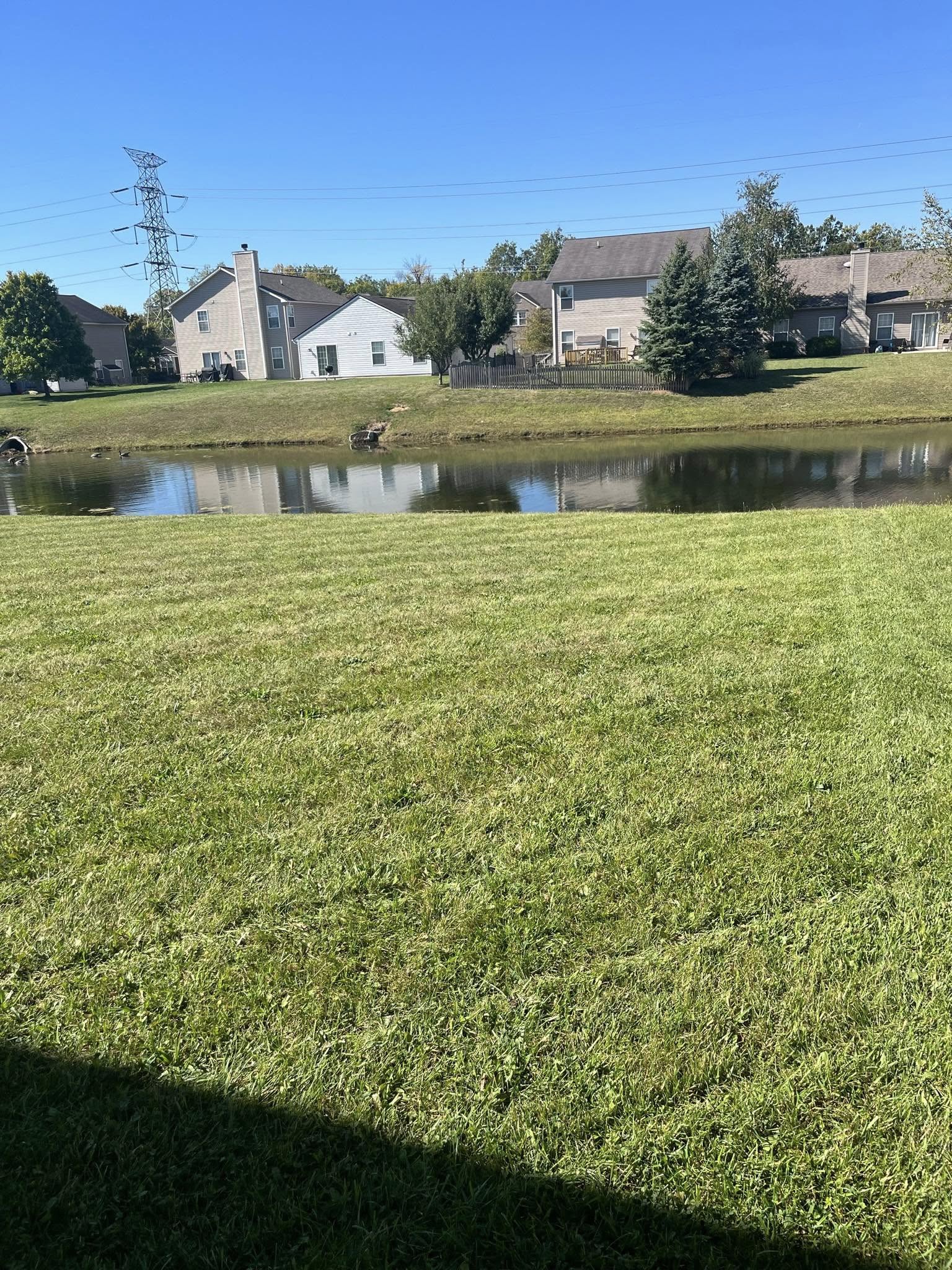
Reducing lawn size is another effective strategy for eco-friendly landscaping. Traditional lawns require significant amounts of water, fertilization, and maintenance. Consider replacing sections of your lawn with ground covers, ornamental grasses, or rock gardens that need minimal care. Alternatively, integrating edible plants like herbs and vegetables into your landscape adds functionality, allowing you to harvest fresh produce while diminishing lawn space. This approach supports sustainability by promoting local food production.
Water conservation is a crucial aspect of sustainable landscaping. Implementing a rainwater harvesting system enables you to collect and store rainwater for irrigation use. This practice not only saves water but also reduces your utility bills. Adjusting your watering schedule to early morning or late evening minimizes evaporation, ensuring water is used efficiently.
Moreover, the strategic placement of trees can significantly impact energy conservation by providing shade in summer and windbreak during winter. According to the U.S. Department of Energy, a well-placed tree can reduce cooling costs by up to 25%. Choosing deciduous trees that lose their leaves in the winter allows sunlight to warm your home while providing shade in the summer months.
In conclusion, creating an eco-friendly landscape is an intentional process that pays dividends in both aesthetic and environmental benefits. By following these tips from Plenty Landscaping Solutions, you can cultivate a yard that is not only beautiful but also sustainable and resilient. Start small, make gradual changes, and enjoy the transformation of your outdoor space into a thriving, green haven. Sustainability is about making smarter choices today to enjoy a greener, healthier tomorrow.
/filters:no_upscale()/filters:format(webp)/media/b640c5c7-7b03-4017-ab93-e75e7cf8eab7.jpg)
/filters:no_upscale()/filters:format(webp)/media/c80de947-703f-49e3-b23d-fadba2e40737.jpeg)