Embracing the Wild: Creating Naturalistic Gardens for Modern Homes Aug 19, 2026
To start, consider the fundamental principles of naturalistic design. It’s essential to focus on biodiversity. Incorporate a variety of plant species, including trees, shrubs, and perennials, to mimic natural ecosystems. This not only enhances aesthetic appeal but also offers environmental benefits, such as increased habitat for pollinators and improved soil health. Native plants, the backbone of any natural garden, are well-suited to local climates, reducing the need for excessive watering and care.
Additionally, think about the structure and flow of your garden. Paths and seating areas should meander like a quietly flowing stream, providing occasional pauses to enjoy the surroundings. Natural materials, such as stone or gravel, can create subtle boundaries and pathways without interrupting the organic feel. This approach calls for an appreciation of asymmetry and soften, curved lines, mirroring how nature gradually unfolds.
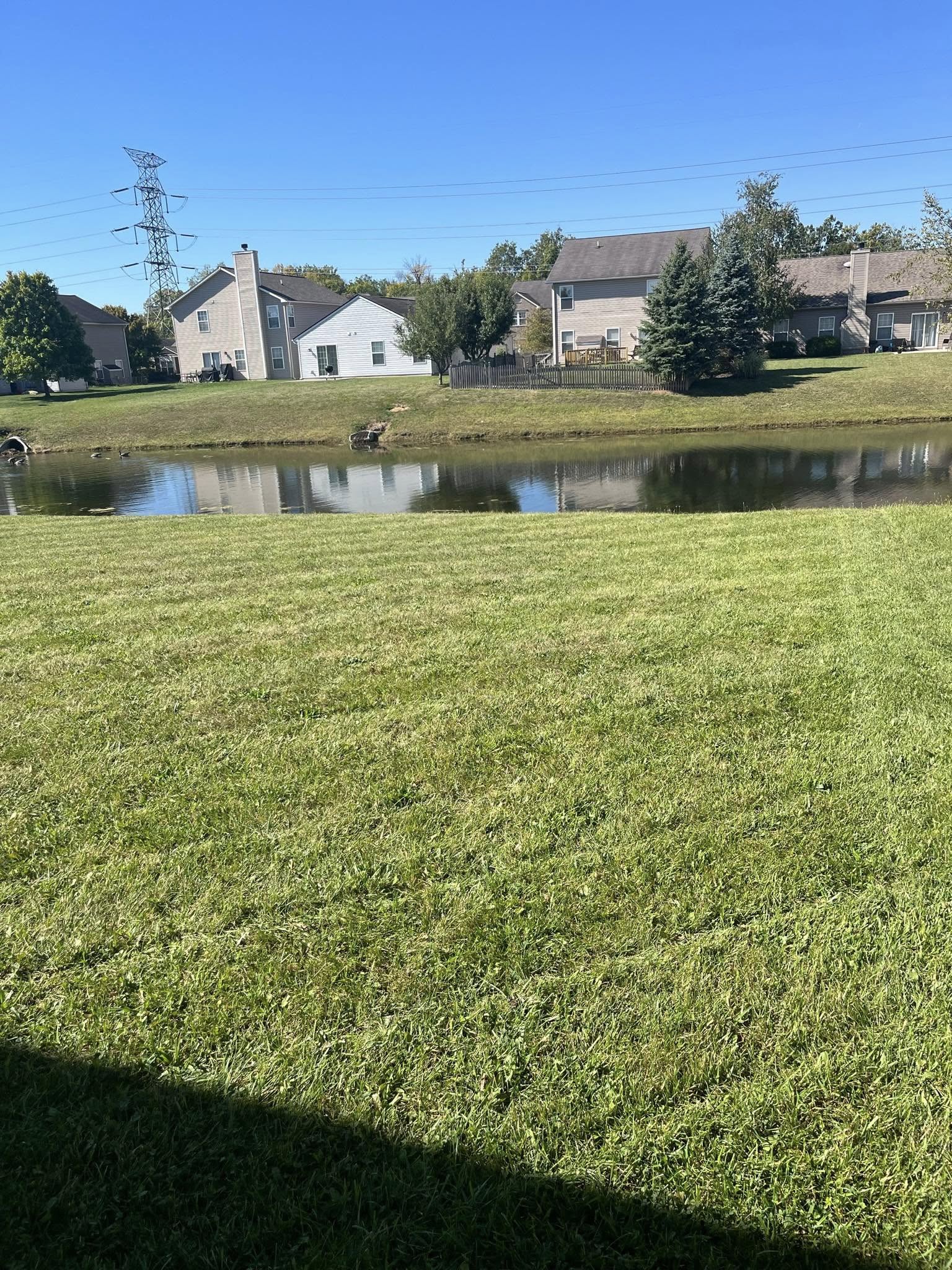
Water features can play a crucial role in maintaining a naturalistic garden ambiance. Whether it’s a small pond, a trickling fountain, or a simple birdbath, water attracts wildlife and adds a soothing, sensory experience. Such features should appear as though they’ve existed for centuries, seamlessly integrated into the landscape. Carefully consider placement and ensure features are harmoniously linked with plants and other elements.
Embracing a hands-off approach is a key aspect of nurturing a naturalistic garden. This doesn’t equate to neglect but rather involves allowing some degree of freedom for plants to self-seed and spread. While you’ll need to manage invasives and maintain general tidiness, allowing your garden to evolve adds authenticity and a sense of natural progression.
Integrating environmental considerations is also vital to sustainable garden design. Compost areas, rain gardens, and permeable surfaces can help manage water run-off and recycle nutrients. These components underscore the philosophy of naturalistic gardening, ensuring your outdoor space remains ecologically responsible and productive.
As technology advances, blending smart home solutions with your garden may enhance its functionality and sustainability. Automated irrigation systems, strategically placed lighting, and smart weather sensors can streamline garden maintenance while ensuring resource efficiency. However, these should remain intuitively integrated, maintaining the balance between cutting-edge technology and the untouched beauty of nature.
Incorporating art into your space can heighten a garden's natural allure. Subtle, earth-toned sculptures or evocative installations can provide focal points in a sea of green while maintaining harmony with the natural surroundings. Choose pieces that resonate with your personal style as well as the garden’s overarching theme.
Finally, remember that a naturalistic garden is a living, breathing entity. It requires patience and observation – an ongoing dialogue with the land. At Plenty Landscaping Solutions, our expertise lies in crafting these verdant retreats that not only enhance property value but offer a daily escape into nature's embrace. Embrace the wild and transform your modern living environment into a timeless natural sanctuary.
/filters:no_upscale()/filters:format(webp)/media/b640c5c7-7b03-4017-ab93-e75e7cf8eab7.jpg)
/filters:no_upscale()/filters:format(webp)/media/c80de947-703f-49e3-b23d-fadba2e40737.jpeg)